




Meal Maker
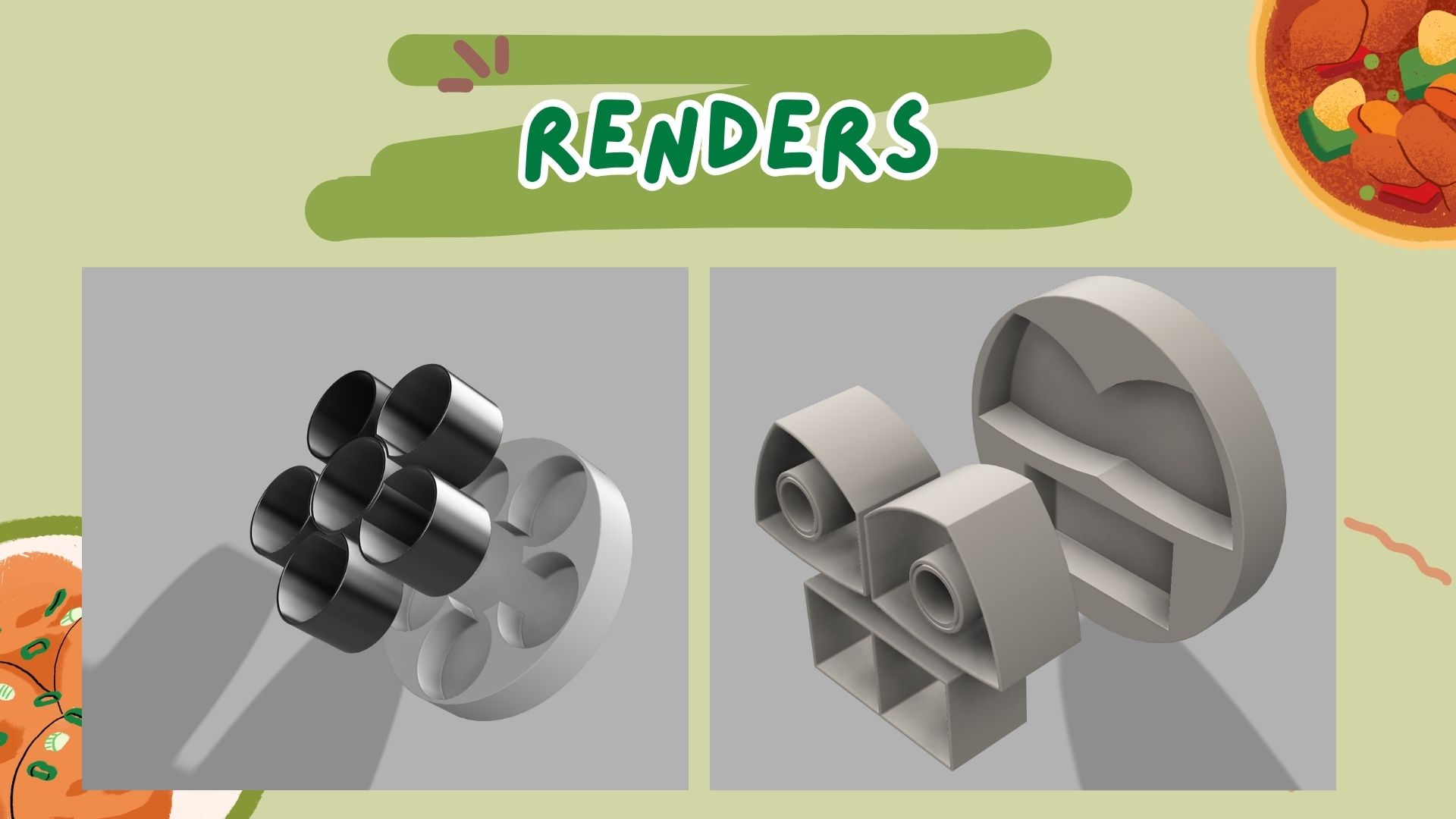
What if learning about nutrition started with building your own plate?

The problem wasn't the food. It was how children were learning about it.



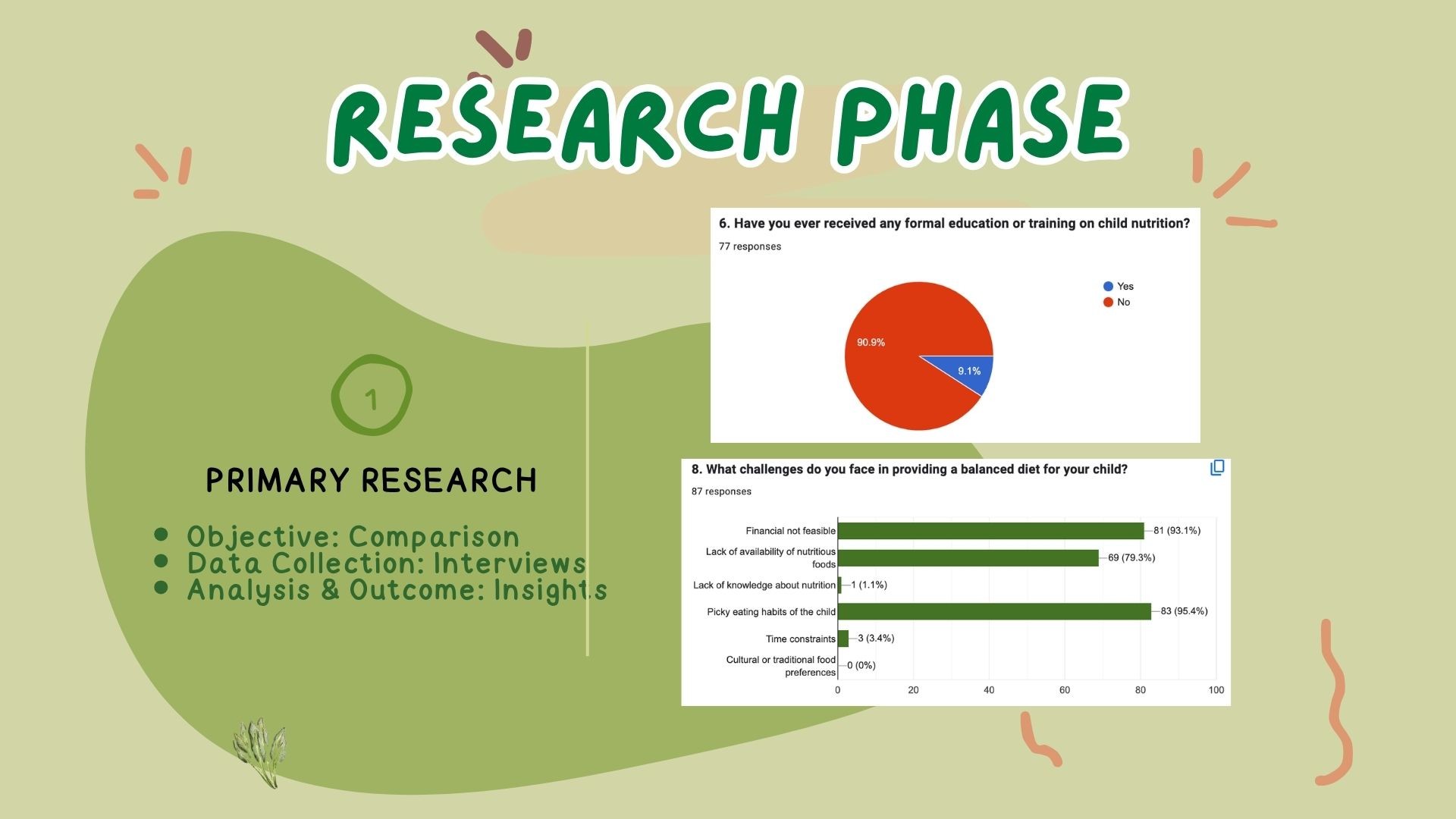
Survey Responses
School Environments
Stakeholder perspectives
beyond


Understanding children's eating behaviour meant looking beyond nutrition itself—at the people, environments and experiences shaping food choices
Perspectives across home, healthcare, and school contexts helped build a broader understanding of children's eating behaviour
We looked at the problem from multiple sides.

The Somaiya School
Interview + shadowing
Parents
Interviews / survey
Doctors & pediatricians
Expert interviews
Nutritionists
Expert interviews
Goverment School
Interview + shadowing


What was Observed
Two contexts. One problem but not necessarily the same cause
Mealtime Behaviour
What happens during meals?
Social Influence
How do parents and teachers influence food choices?
Food Environment
What food is available?
Environmental Influence
What does the meal environment look like?
Choice & Autonomy
How much choice does the child have?
Caregiver Response
How do teachers/caregivers respond to refusal?
What others say
Review
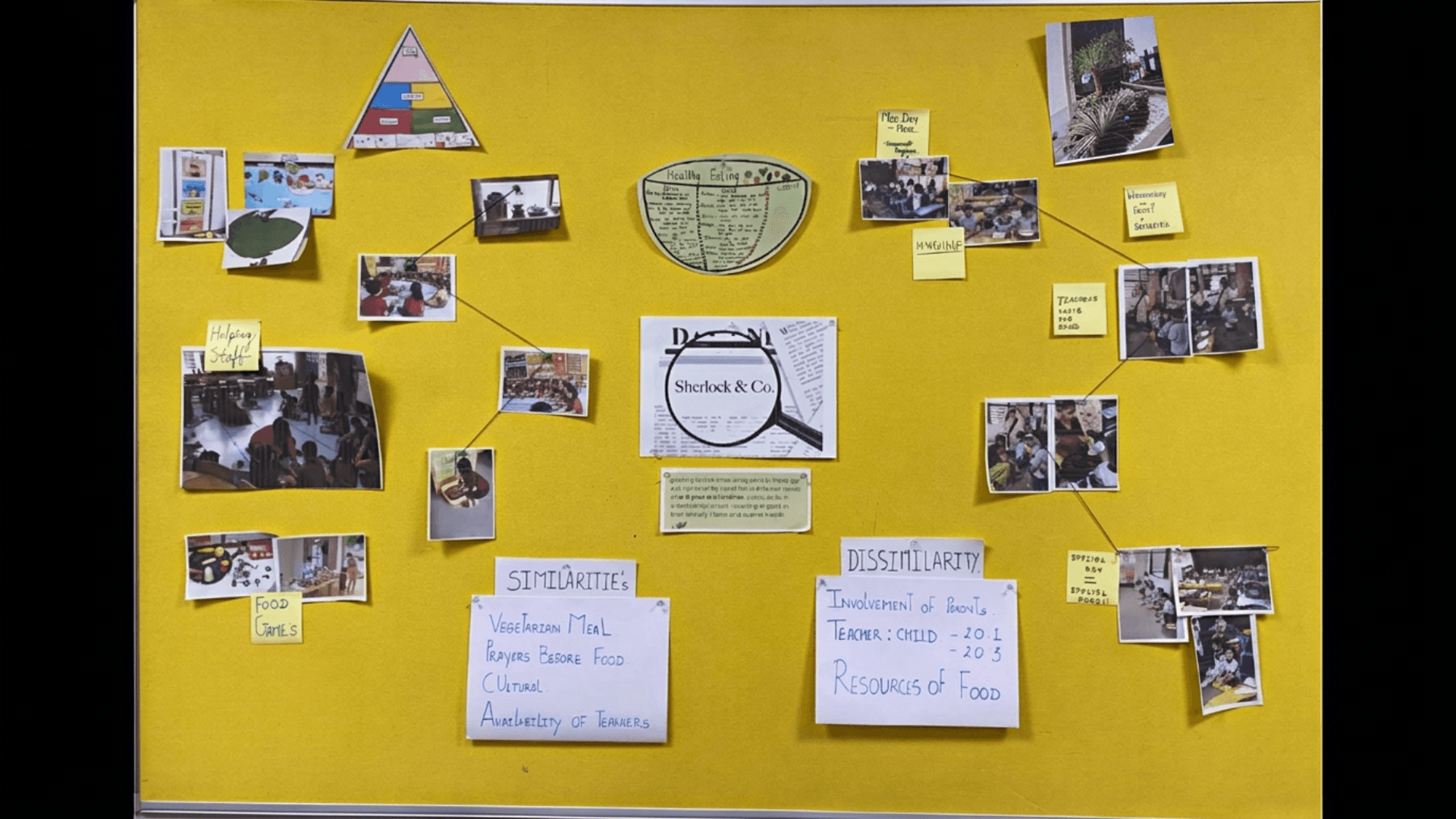
Initial conversations revealed that children's food choices were influenced by more than nutrition knowledge alone.
We looked at the problem from multiple lenses
Spectrum analysis: Economic, Parents, Culture & traditions, Materialistic, Governmental
01
Engagement can create an entry point
Children could learn through interaction rather than passive instruction
03
Primary research / affinity mapping
The two school contexts revealed different conditions around food availability, choice and caregiver involvement.
02